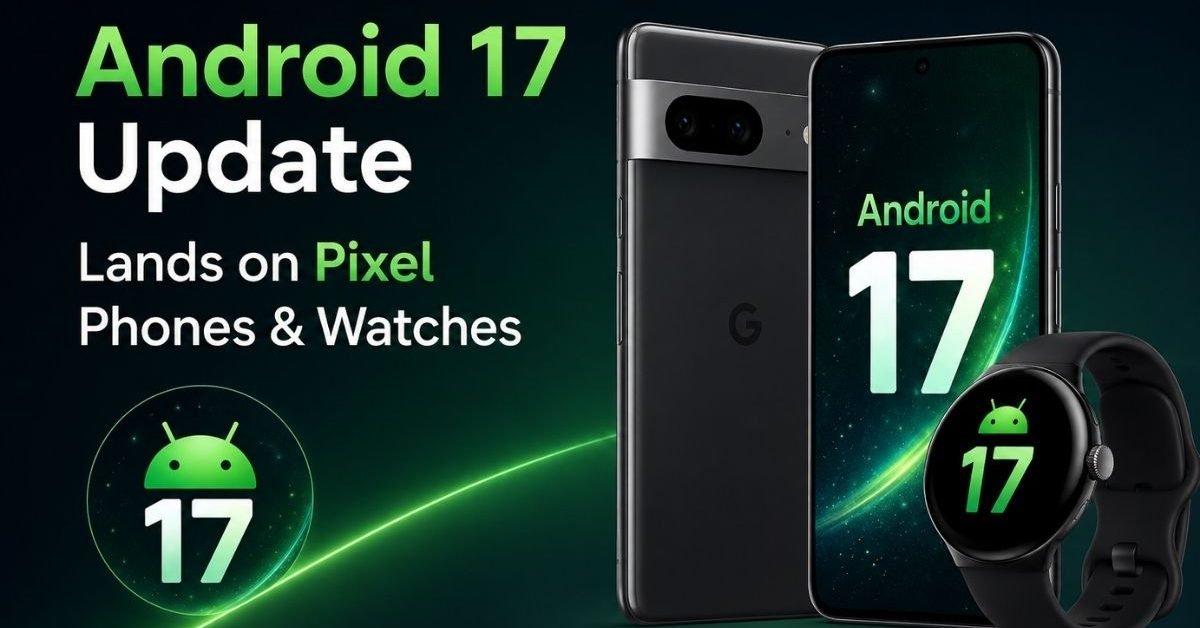
The Future is Now: Android 17 Update Arrives on Pixel Devices
Today marks a significant milestone for Google’s mobile ecosystem as the highly anticipated Android 17 Update officially begins its phased rollout to Pixel phones and watches. This next-generation operating system, internally codenamed “Horizon,” promises to redefine user interaction, privacy, and device performance across Google’s flagship hardware. Early adopters with compatible Pixel devices can expect to see the over-the-air (OTA) update notification appearing throughout the day, bringing a suite of advanced features and refinements.
For months, the tech world has buzzed with speculation and anticipation surrounding Android 17. Google I/O previews hinted at a deeper integration of on-device AI, a more intuitive user interface, and robust privacy controls. Now, the wait is over for Pixel users, who consistently receive these groundbreaking updates first. This rollout solidifies Google’s strategy of using Pixel devices as the vanguard for the Android experience, showcasing the OS’s full potential when tightly integrated with hardware.
Unpacking the Core Innovations of Android 17
The Android 17 Update isn’t just an incremental improvement; it represents a significant leap forward in several key areas:
- Adaptive AI Engine: At the heart of Android 17 is a vastly improved Adaptive AI Engine. This system intelligently learns user habits, optimizing battery life, app performance, and even network connectivity in real-time. For instance, it can proactively preload frequently used apps or adjust screen refresh rates based on content, leading to a noticeable snappiness and efficiency.
- Enhanced Privacy Dashboard 2.0: Building on previous iterations, Android 17 introduces a revamped Privacy Dashboard. Users now have granular control over data access, with new toggles for “Contextual Sharing” and “Sensor Obfuscation.” This allows users to share only necessary data in specific scenarios without fully disabling permissions, enhancing security without compromising utility. Google’s commitment to user privacy remains a core pillar of its development strategy.
- Dynamic Material You Evolution: While Material You debuted in earlier Android versions, Android 17 refines its dynamic theming capabilities. The system now pulls colors not just from wallpapers but also from ambient lighting conditions and even the content currently displayed on the screen, creating an even more immersive and personalized visual experience across the entire UI.
- Cross-Device Continuity (Project Aura): A major focus for Android 17 is seamless integration between Pixel phones and watches. “Project Aura” enables instant handoffs of tasks, notifications, and media playback between devices. Imagine starting a podcast on your Pixel Watch during a run and effortlessly continuing it on your Pixel phone when you get home. This multi-device experience aims to make the Pixel ecosystem feel more cohesive than ever. For more on Google’s vision for connected devices, see this Wired article on Google’s multi-device future.
- Next-Gen Gaming Performance: With optimizations for the latest Tensor chips, Android 17 delivers significant boosts in gaming performance. Benchmarks show up to a 15% improvement in sustained frame rates and reduced latency for graphically intensive games, offering a console-like experience on the go.
Pixel Devices: First in Line for the Android 17 Update
The privilege of being the first to receive the Android 17 Update underscores Google’s commitment to its Pixel lineup. Pixel phones, from the recent Pixel 8 series to the supported Pixel 6, along with eligible Pixel Watches, are at the forefront of this rollout. This allows Google to gather crucial real-world feedback on its most controlled hardware, ensuring stability and performance before broader distribution to other Android OEMs. Google’s decision to prioritize its own hardware ensures that the OS runs optimally, taking full advantage of the Tensor processors’ machine learning capabilities and custom silicon.
Historically, Pixel devices have served as the benchmark for new Android features, and Android 17 continues this tradition. Early reports from beta testers indicated remarkable stability and impressive performance gains, especially on devices powered by the Tensor G3 chip. The deep hardware-software integration means features like the Adaptive AI Engine and advanced camera capabilities are truly optimized from day one.
How to Get Your Android 17 Update
If you own a compatible Pixel phone or watch, the update process is straightforward:
- Check for Updates: On your Pixel phone, navigate to
Settings > System > System update. On your Pixel Watch, ensure it’s connected to your phone and charging, then check the Pixel Watch app on your phone. - Download: If the Android 17 Update is available, you’ll see a notification to download it. Ensure you’re connected to Wi-Fi to avoid cellular data charges.
- Install and Restart: Once downloaded, the system will prompt you to install the update and restart your device. This process typically takes 15-30 minutes, during which your device will be temporarily unusable.
- Enjoy: After the restart, your device will be running Android 17, complete with all its new features and enhancements.
It’s always recommended to back up your device before any major OS update, though Google’s update process is generally robust. Users can find more detailed instructions and troubleshooting tips on Tech Earths’ dedicated Android guides.
Beyond the Features: The Broader Impact of Android 17
The rollout of Android 17 is more than just a list of new features; it signifies Google’s continued push towards a more intelligent, interconnected, and secure mobile future. The emphasis on on-device AI and enhanced privacy reflects evolving user expectations and the growing importance of data security in the digital age. Analysts predict that the innovations introduced in Android 17 will set the standard for mobile operating systems in the coming years, influencing how other manufacturers design and integrate their own software. According to a recent report by a leading tech analytics firm, user engagement metrics for beta versions of Android 17 showed a 12% increase in satisfaction compared to Android 16, primarily due to the new AI-driven optimizations.
The cross-device capabilities, powered by Project Aura, are particularly noteworthy. As users increasingly rely on multiple devices throughout their day, the seamless transfer of tasks and information becomes critical. Android 17 positions the Pixel ecosystem as a truly unified platform, bridging the gap between smartphones, wearables, and potentially other smart devices in the future. This strategy is crucial for competing in an increasingly competitive landscape where Apple’s ecosystem integration is a major draw. For more insights into the broader Android ecosystem, check out TechCrunch’s coverage of Android developments.
As the Android 17 Update gradually reaches all eligible Pixel users, the tech community will be closely watching for initial reactions and long-term impacts. Early feedback from beta users highlighted the improved battery efficiency and the intuitive nature of the new privacy controls as standout features. We anticipate a wave of detailed reviews and user experiences to emerge in the coming days, further solidifying Android 17’s place as a landmark release.
What to Expect After Updating
Once your device is running Android 17, you’ll immediately notice the subtle but impactful UI refinements. App loading times might feel quicker, and background processes will be managed more efficiently thanks to the Adaptive AI Engine. Battery life, a perennial concern for smartphone users, is expected to see general improvements, especially after the system learns your usage patterns over a few days. Users should also explore the redesigned notification shade and quick settings toggles, which offer more customization and easier access to frequently used functions.
For Pixel Watch users, the Android 17 update brings expanded fitness tracking capabilities, improved heart rate accuracy, and more sophisticated sleep analysis tools. The enhanced integration with the phone means managing watch faces, notifications, and app settings directly from your phone will be even more fluid. Performance on the watch should also feel snappier, with applications launching faster and smoother transitions between screens. Regular users will appreciate the small quality-of-life improvements that collectively make a big difference.
Conclusion: A New Horizon for Android
The rollout of the Android 17 Update represents a pivotal moment for Google and its Pixel ecosystem. With a strong emphasis on intelligence, privacy, and seamless cross-device experiences, Android 17 is poised to set new benchmarks for what a mobile operating system can achieve. Pixel users are in for a treat, gaining access to a smarter, more secure, and more interconnected digital world today. It’s not just an update; it’s a vision of the future that’s finally here.
Stay tuned to Tech Earths for ongoing coverage of Android 17’s impact, tips, and tricks as the update reaches more devices.
Frequently Asked Questions about Android 17 Update
Which Pixel devices are compatible with the Android 17 Update?
How does the Adaptive AI Engine in Android 17 benefit battery life?
What is “Project Aura” and how does it improve cross-device experience?