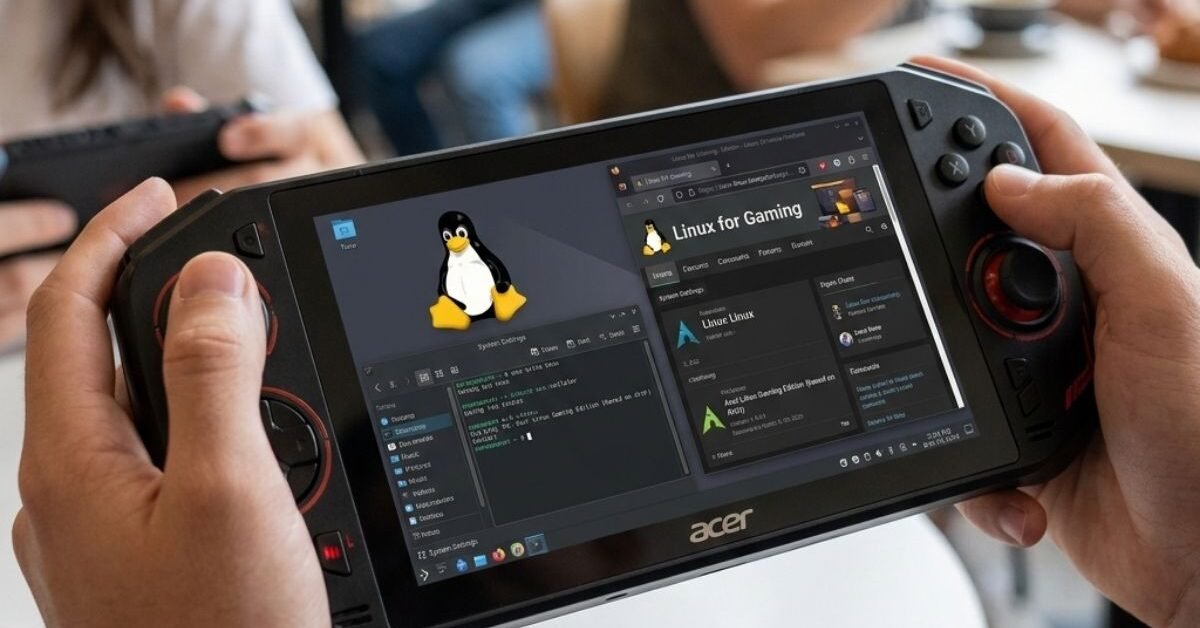
The handheld gaming market is experiencing a massive gold rush, and Acer is the latest hardware giant to stake its claim. By unveiling a dedicated Acer Linux handheld designed specifically for streaming PC games, the company is pivoting away from high-priced, power-hungry local hardware. This move directly addresses the growing demand for lightweight, ergonomic devices that leverage cloud infrastructure and local network streaming to deliver high-fidelity AAA experiences.
Why the Acer Linux handheld is a Game-Changer
For years, portable gaming was dominated by either low-powered mobile chips or incredibly expensive Windows-based handhelds that struggled with battery life. Valve disrupted this ecosystem with its Steam Deck, showing that a Linux-based operating system is ideal for portable gaming environments. While Valve had to navigate a complex pricing strategy (as detailed in our analysis of the Steam Deck price increase), Acer is taking a radically different approach.
Instead of packing expensive, power-hungry APUs into the chassis, the new Acer Linux handheld is optimized specifically for game streaming. By offloading the rendering workload to a local gaming rig or cloud services like Nvidia GeForce Now and Xbox Cloud Gaming, this device promises exceptional battery life, silent operation, and a lower retail price point.
Under the Hood: Hardware Built for Low Latency
To make game streaming viable for competitive and casual gamers alike, latency must be virtually non-existent. Acer has reportedly equipped its Acer Linux handheld with a state-of-the-art Wi-Fi 6E or Wi-Fi 7 chip, ensuring ultra-stable local network speeds. According to industry reports on TechCrunch, network stability is the single most critical factor in the adoption of cloud-tethered devices.
The physical design is expected to feature a vibrant 7-inch 120Hz display, ergonomic grips, and hall-effect joysticks to prevent stick drift. Because the processing is handled remotely, the internals don’t require heavy copper heat pipes or loud exhaust fans. This allows the Acer Linux handheld to maintain a remarkably thin profile and lightweight form factor, weighing significantly less than its Windows-based competitors.
Linux: The Perfect Operating System Choice
By opting for a custom Linux distribution rather than Windows 11, Acer avoids the heavy licensing fees and bloated background processes associated with Microsoft’s OS. A lightweight, customized Linux operating system enables near-instant boot times and deeply integrated hardware controls. For end-users, this means the Acer Linux handheld will offer a highly console-like user interface, devoid of the administrative headaches, system updates, and driver crashes common on Windows alternatives.
Furthermore, the open-source nature of Linux allows the developer community to quickly optimize streaming protocols like Moonlight, Sunshine, and Steam Link. The Acer Linux handheld will likely ship with pre-configured clients for all major game streaming platforms, offering a seamless plug-and-play experience out of the box.
Evaluating the Market Disruption and Competitor Analysis
From a business perspective, Acer’s entry with an affordable, stream-first device is incredibly savvy. According to a market report by Bloomberg, the global cloud gaming market is projected to reach over $20 billion by 2030, growing at a CAGR of nearly 45%. By positioning the Acer Linux handheld as the ultimate accessory for existing PC gamers, Acer avoids competing directly with the raw performance of high-end gaming laptops, instead creating an entirely new market segment.
Let’s analyze how this new entrant compares to existing devices on the market:
- Windows Handhelds (ROG Ally, Lenovo Legion Go): These devices offer local processing but suffer from short battery lives (often under 2 hours under load) and high price tags ranging from $600 to $800.
- The Steam Deck: A versatile hybrid that plays games locally under SteamOS, but carries a heavier weight and a higher price tag following recent market adjustments.
- The Acer Linux handheld: A highly focused, ultra-lightweight, and affordable device aimed purely at local and cloud streaming, promising 8+ hours of battery life.
This specialized positioning allows Acer to target the budget-conscious gamer who already owns a powerful gaming PC but wants the freedom to play in bed, on the couch, or on the go without compromising on visual fidelity.
Is the Infrastructure Ready for a Streaming-Only Handheld?
A common criticism of streaming-only hardware is the dependency on high-speed internet. However, local streaming has matured dramatically. Technologies like Moonlight and Sunshine allow gamers to stream games from their home PCs to the Acer Linux handheld over local Wi-Fi with sub-5ms latency. This means that as long as you have a modern home router, your portable gaming experience will feel virtually identical to playing directly on a monitor.
For outdoor usage, the expansion of 5G mobile hotspots and widespread public Wi-Fi makes cloud gaming highly viable in metropolitan areas. While it may not replace local hardware for competitive esports players, the average gamer will find the convenience and ergonomics of this device hard to beat.
Frequently Asked Questions
What is the primary purpose of the Acer Linux handheld?
The device is designed primarily as a thin-and-light gaming handheld optimized for streaming games from a local gaming PC or cloud services like Nvidia GeForce Now, Xbox Cloud Gaming, and Steam Link, rather than running games locally on high-end mobile hardware.
How does this device compare to the Steam Deck?
Unlike the Steam Deck, which runs games locally using a powerful AMD APU, the Acer device offloads processing to remote servers or your home PC. This allows it to be lighter, run cooler, cost less, and offer substantially better battery life than local-play handhelds.
Can I play games offline on the Acer Linux handheld?
Because it is a streaming-focused device, it requires an active Wi-Fi connection to stream games. However, a lightweight Linux environment may allow for basic offline emulation of retro games or lightweight indie titles, though its main appeal is connected play.