


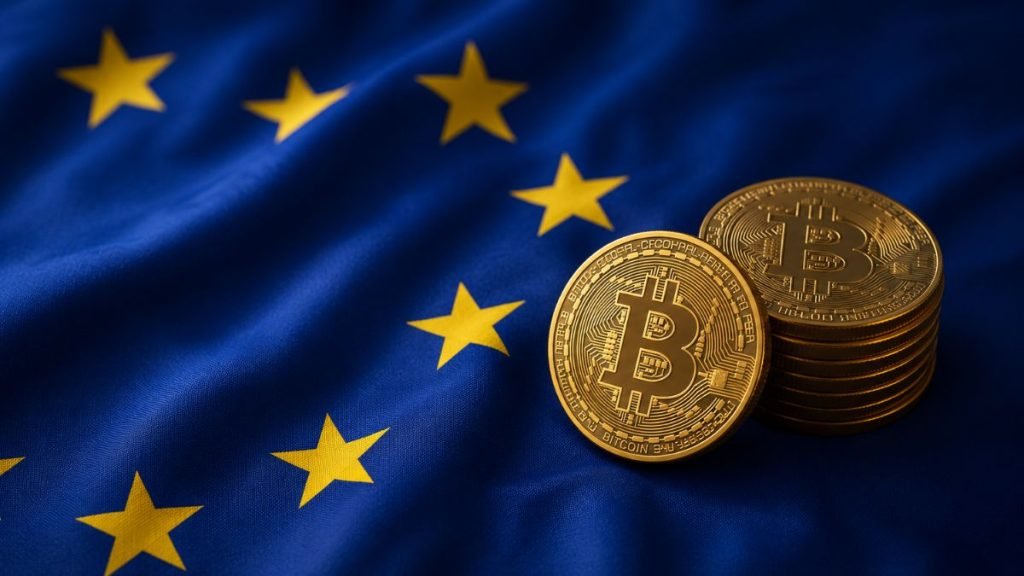
The European Union’s landmark Markets in Crypto-Assets Regulation (MiCAR) is reshaping the continent’s digital asset landscape. This comprehensive legislative framework signifies a pivotal moment, marking the official transition of the European crypto market into a new era of extensive supervision. For those operating within, or looking to engage with, the digital asset space, understanding the nuances of MiCAR is no longer optional but essential.
This regulation aims to harmonize the regulatory environment across all 27 EU member states, providing much-needed clarity and fostering greater trust and stability. It’s a move that will redefine how crypto-asset service providers (CASPs) operate and how investors interact with digital assets, setting a precedent for global crypto governance. The dawn of this new era for MiCAR Europe crypto promises both challenges and unprecedented opportunities.
MiCAR Europe Crypto: Ushering in a New Regulatory Landscape
MiCAR stands as the EU’s pioneering legislative effort to regulate previously uncharted territories of the crypto market. Its primary objective is to create a robust, unified framework for crypto-assets not already covered by existing financial services legislation. This includes rules for the issuance and admission to trading of various crypto-assets, such as asset-referenced tokens (ARTs) and e-money tokens (EMTs), alongside comprehensive requirements for CASPs.
The regulation addresses critical aspects like market integrity, investor protection, and financial stability. It mandates strict authorization and operational conditions for CASPs, covering everything from governance and risk management to safeguarding client funds. This intricate structure is designed to build a more secure and transparent environment for MiCAR Europe crypto.
MiCAR has been implemented in phases, with rules for stablecoins (ARTs and EMTs) coming into effect in June 2024, and the broader framework for other crypto-assets and CASPs by December 2024. This phased approach allows market participants time to adapt to the rigorous new standards. The long-term vision is to position the EU as a leader in responsible crypto innovation.
Market Implications and Investor Sentiment
The introduction of MiCAR will profoundly impact the European crypto market, fundamentally altering its dynamics. For investors, the enhanced regulatory oversight is expected to foster greater confidence and legitimacy, potentially attracting a new wave of institutional capital. Clear rules on disclosure, market abuse, and operational resilience mean better protection against fraud and market manipulation.
However, the increased compliance burden for CASPs may initially lead to consolidation in the market, favoring larger, well-resourced entities. Smaller players might struggle to meet the stringent requirements, potentially reducing competition in the short term. The long-term goal is a more mature and resilient market.
Investor sentiment will likely shift towards regulated entities and assets, as the perceived risks associated with unregulated platforms diminish. This clarity offers a significant advantage, especially for institutional players who require regulatory certainty to enter the space. The new reality for MiCAR Europe crypto emphasizes transparency and accountability.
Technology Fundamentals and Innovation in MiCAR Europe Crypto
While regulatory frameworks often prompt concerns about stifling innovation, MiCAR also presents an opportunity for technological advancement focused on compliance-by-design. Blockchain technology, with its inherent transparency and immutability, can play a crucial role in meeting MiCAR’s requirements.
For instance, sophisticated KYC (Know Your Customer) and AML (Anti-Money Laundering) solutions, powered by advanced data analytics and distributed ledger technology, will become standard. CASPs will need to implement robust systems for transaction monitoring, risk assessment, and data reporting. This encourages the development of more secure and auditable blockchain applications.
The regulation’s clear delineation between different crypto-asset types also helps developers understand the regulatory guardrails for new projects. This clarity, rather than hindering, can channel innovation towards compliant and sustainable solutions, leading to a pivotal shift for the MiCAR Europe crypto landscape. Technologies that enable seamless reporting and regulatory adherence will see increased demand.
While DeFi (Decentralized Finance) largely remains outside MiCAR’s direct scope for now, the regulation sets a precedent for how future decentralized applications might be viewed. Developers will increasingly design protocols with potential regulatory compatibility in mind, ensuring long-term viability and broader adoption. This forward-thinking approach is crucial for sustainable growth.
Challenges and Opportunities for MiCAR Europe Crypto
The path to full MiCAR compliance will not be without its hurdles. CASPs face significant initial costs associated with obtaining authorization, upgrading systems, and training staff to meet the new legal and technical requirements. This includes establishing robust internal controls and comprehensive risk management frameworks, which can be resource-intensive.
Furthermore, navigating the specifics of implementation across diverse national jurisdictions within the EU, even with a unified regulation, can present complexities. Different member states may interpret certain aspects, or enforce them, with slight variations, requiring careful attention from businesses operating cross-border.
However, the opportunities presented by MiCAR are substantial. Regulatory clarity attracts traditional financial institutions, fostering deeper integration between traditional finance and crypto markets. This can unlock vast pools of capital and expertise, driving market maturity and expansion. The EU’s position as a global leader in digital asset regulation could also attract innovation and investment from outside the continent.
MiCAR provides a clear legal foundation, reducing legal uncertainty and enabling businesses to plan for the future with greater assurance. This regulatory certainty is invaluable for long-term strategic investments and product development. Such a framework is set to strengthen the global position of MiCAR Europe crypto, creating a more attractive ecosystem for innovation and growth.
For example, the recent DeFi Coin Losses Lead Broader Crypto Retreat highlight the need for greater investor protection and market stability. MiCAR directly addresses these concerns by establishing stringent rules for stablecoins and CASPs, aiming to mitigate such risks in the future. This proactive stance helps protect investors and build trust.
The Road Ahead for MiCAR Europe Crypto
The full implementation of MiCAR marks a significant milestone, but it is just the beginning of Europe’s supervisory journey in crypto. Regulators will closely monitor market developments and assess the effectiveness of the current framework, likely leading to future iterations and adjustments. This iterative approach is common in rapidly evolving sectors.
Firms in the digital asset space must adopt a proactive and adaptive strategy, embracing compliance as a core competitive advantage rather than just a burden. Those who effectively integrate MiCAR’s principles into their operations will be best positioned for long-term success. The successful integration of MiCAR Europe crypto into the broader financial system depends on this adaptability.
The regulation’s impact will extend beyond the EU’s borders, influencing regulatory discussions in other major jurisdictions. As other countries consider their own crypto frameworks, MiCAR will serve as a key reference point. This global influence underscores the significance of Europe’s move.
Conclusion
MiCAR represents a transformative shift for Europe’s crypto market, moving it firmly into a new era of regulation and supervision. While the journey will present challenges, the overarching benefits of enhanced investor protection, market stability, and regulatory clarity are undeniable. This framework is set to foster a more mature, reliable, and ultimately vibrant digital asset ecosystem.
As market participants adapt to these new realities, the future of MiCAR Europe crypto looks set for stability and growth, paving the way for responsible innovation and broader mainstream adoption. The commitment to a regulated environment signals Europe’s ambition to lead in the evolving world of digital finance.
Frequently Asked Questions
What does MiCAR regulate within Europe’s crypto market?
MiCAR regulates the issuance of stablecoins (asset-referenced tokens and e-money tokens), as well as all crypto-asset service providers (CASPs) and their services, including exchange, custody, and transfer of various crypto-assets. It provides a harmonized framework for these activities across all EU member states.
How will MiCAR Europe crypto impact daily transactions for users?
For everyday users, MiCAR aims to increase transparency and security, potentially leading to greater trust in crypto services. While direct impacts on transaction speed or fees may not be immediate, the regulations ensure platforms are more reliable, reducing risks associated with fraud and operational failures. This provides a safer environment for digital asset usage.
What are the key benefits of MiCAR for MiCAR Europe crypto users?
The primary benefits for users include enhanced investor protection through stringent disclosure requirements, safeguards for client funds, and rules against market manipulation. It also brings greater clarity and legal certainty, which can attract more mainstream financial institutions and services to the crypto space, offering more diverse and secure options for users.
Will MiCAR stifle innovation in the European crypto sector?
While some initial compliance costs may be challenging for smaller firms, MiCAR is designed to foster innovation within a regulated framework. By providing legal clarity and building trust, it can encourage responsible innovation and attract significant investment, ultimately leading to more robust and sustainable projects in the European crypto sector.