


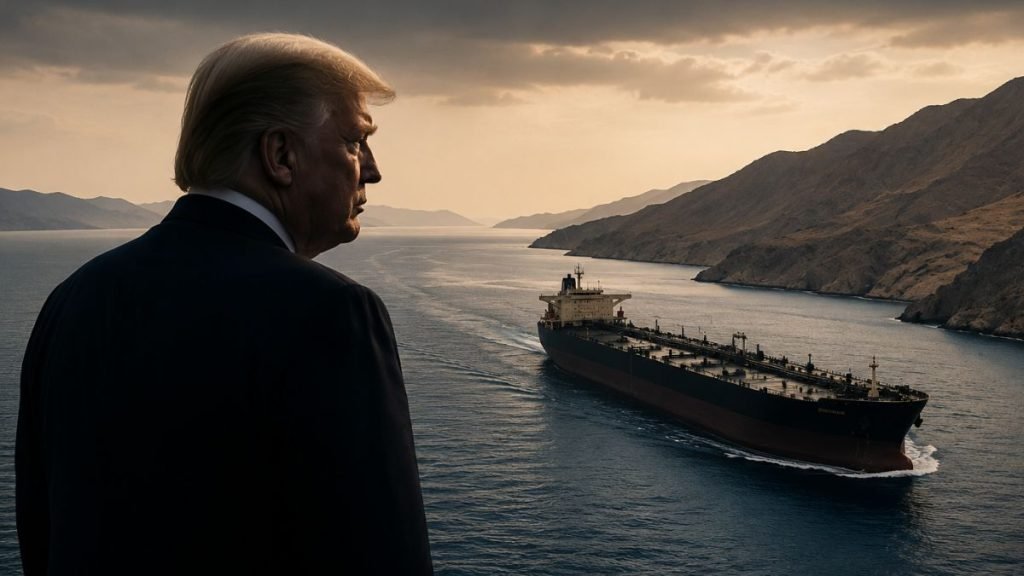
Global markets, particularly Dow futures, experienced significant turbulence following the opening day of US-Iran talks. The initial discussions were overshadowed by President Trump’s strong warnings to Tehran concerning the Strait of Hormuz, making Dow Trump Hormuz a focal point for investors concerned about escalating geopolitical tensions. This development immediately signaled potential disruption to global energy supplies and trade routes, sending ripples across various financial sectors and compelling businesses to re-evaluate their strategies amidst heightened uncertainty.
The implications extend far beyond immediate market shifts, touching upon company operations, revenue forecasts, and the broader competitive landscape. Investors are now keenly observing how this standoff might reshape commodity prices, supply chain resilience, and the appetite for risk in an already volatile economic climate.
Market Response: A Swift Correction
The immediate aftermath of President Trump’s threat saw Dow futures drop sharply, reflecting investor anxiety. This knee-jerk reaction underscored the market’s sensitivity to geopolitical risks, particularly those involving critical global chokepoints like the Strait of Hormuz. Oil prices, predictably, spiked higher on supply disruption fears, indicating a flight to commodity assets perceived as safe havens in such scenarios.
Beyond the Dow, broader equity markets felt the pressure, with a noticeable shift away from growth stocks towards more defensive sectors. Gold and other traditional safe-haven assets saw increased demand, highlighting a clear re-evaluation of risk profiles across diverse investment portfolios. This market correction serves as a stark reminder of how quickly political rhetoric can translate into tangible financial movements.
Understanding the Dow Trump Hormuz Impact on Global Trade
The Strait of Hormuz is a vital maritime corridor, through which a significant portion of the world’s oil supply passes daily. Any threat to its stability, such as the direct warnings made by President Trump regarding Tehran’s actions there, immediately escalates concerns for global trade and energy security. The potential for disruption directly impacts shipping costs, insurance premiums, and the reliability of supply chains worldwide.
Businesses relying on imported or exported goods, especially energy-intensive industries, face increased operational costs and logistical challenges. The instability surrounding the Dow Trump Hormuz situation forces companies to consider alternative routes or source materials, a costly and time-consuming endeavor. This geopolitical flashpoint effectively adds a risk premium to nearly all international commerce.
Sectoral Vulnerability: Energy, Shipping, and Manufacturing
The energy sector stands at the forefront of vulnerability. Oil and gas companies face fluctuating prices, potential supply chain interruptions, and increased operational risks in the Middle East. Shipping companies are confronted with higher insurance rates and the risk of rerouting vessels, leading to longer transit times and elevated fuel costs.
Manufacturing firms, particularly those with global supply chains dependent on materials transported through the Persian Gulf, could see production delays and increased input costs. Industries like automotive, electronics, and chemicals, with complex international logistics, are particularly exposed to the ripple effects of the Dow Trump Hormuz tensions. Even sectors seemingly unrelated can feel the pinch of rising energy costs and general market unease.
Company Strategy Amidst Uncertainty
In response to such volatile geopolitical environments, proactive companies are reassessing their strategic frameworks. Diversifying supply chains to reduce reliance on single regions, particularly those prone to conflict, becomes paramount. Investing in robust logistics and inventory management systems can help mitigate potential disruptions.
For energy-dependent businesses, hedging strategies against oil price fluctuations become critical for maintaining predictable operational costs. Furthermore, companies might explore localized production or nearshoring initiatives to reduce their exposure to international shipping risks. Agility and adaptability are key attributes for navigating the ongoing Dow Trump Hormuz related uncertainty.
Revenue Risks and Competitive Shifts
The primary revenue risks stem from increased operational costs, potential sales downturns due to economic uncertainty, and consumer hesitancy. Companies unable to absorb higher costs may be forced to pass them on to consumers, potentially impacting demand. Those with less diversified revenue streams or higher exposure to the affected regions could see significant declines in profitability.
In terms of competitive landscape, companies with stronger balance sheets and more resilient supply chains are better positioned to weather the storm. This period of instability could lead to market share shifts, as agile firms adapt more quickly than their slower, less prepared competitors. The long-term impact of the Dow Trump Hormuz situation could reshape industry leaders and laggards.
Investor Outlook: The Dow Trump Hormuz Effect on Portfolios
For investors, the present environment demands a careful and strategic approach. Diversification across asset classes remains crucial, with consideration given to defensive sectors and safe-haven assets. While energy stocks might see short-term gains due to price spikes, their long-term viability hinges on the duration and intensity of geopolitical tensions and the specific positioning of individual companies.
Monitoring developments in US-Iran talks and presidential rhetoric will be vital. Investors might also explore alternative investments or technologies that offer a hedge against traditional market volatility. For example, some investors seek refuge in digital assets like those discussed in Account-Free Crypto Trading Sees Surging Demand during times of traditional market uncertainty. Understanding the multifaceted impact of the Dow Trump Hormuz dynamic is essential for making informed decisions and protecting portfolios.
Conclusion
The initial day of US-Iran talks, marred by President Trump’s strong stance on Hormuz, has sent clear signals of heightened risk across global financial markets. The immediate drop in Dow futures and the subsequent rise in oil prices underscore the fragility of market sentiment when faced with geopolitical flashpoints. Businesses and investors must now contend with potential disruptions to global trade, increased operational costs, and the need for strategic adjustments.
Navigating this period of uncertainty requires vigilance, adaptability, and a proactive approach to risk management. The ongoing dialogue between the US and Iran, coupled with any further statements regarding the critical Strait of Hormuz, will continue to dictate market movements and shape the global economic outlook. Understanding these complex interdependencies is vital for informed decision-making in the current business environment.
Frequently Asked Questions
What caused Dow futures to drop?
Dow futures dropped primarily due to increased geopolitical tensions following President Trump’s threats against Tehran concerning the Strait of Hormuz during the first day of US-Iran talks. This sparked fears of potential disruptions to global oil supplies and international trade routes.
Why is the Strait of Hormuz so important for global markets?
The Strait of Hormuz is a critical chokepoint for global oil shipments, with a substantial portion of the world’s crude oil passing through it daily. Any threat or disruption to this strait can severely impact global energy prices, shipping costs, and the stability of international supply chains.
Which industries are most affected by these tensions?
The energy sector (oil and gas), shipping and logistics companies, and manufacturing industries with complex global supply chains are most directly affected. They face risks such as fluctuating commodity prices, higher insurance rates, increased transport costs, and potential production delays.
How can businesses mitigate risks from such geopolitical events?
Businesses can mitigate risks by diversifying supply chains, implementing robust inventory management, utilizing hedging strategies for commodity prices, and exploring localized production or nearshoring options to reduce reliance on volatile regions.
What should investors consider during this period of uncertainty?
Investors should prioritize diversification across asset classes, consider increasing exposure to defensive sectors and safe-haven assets like gold, and closely monitor geopolitical developments. Reviewing risk tolerance and potentially exploring alternative investment strategies are also prudent steps.